Hengrong Electrical Co., Ltd.
  • Home
  • Product
  • Agency Recruitment
  • Services
  • Factory & Certification
  • Blog
  • About Us
  • Contact Us
  • …  
    • Home
    • Product
    • Agency Recruitment
    • Services
    • Factory & Certification
    • Blog
    • About Us
    • Contact Us
Request Quote
Hengrong Electrical Co., Ltd.
  • Home
  • Product
  • Agency Recruitment
  • Services
  • Factory & Certification
  • Blog
  • About Us
  • Contact Us
  • …  
    • Home
    • Product
    • Agency Recruitment
    • Services
    • Factory & Certification
    • Blog
    • About Us
    • Contact Us
Request Quote

Reactive Power Compensation: The Key to Unlocking Loss Reduction, Efficiency Improvement and Low-Carbon Development of Distribution Networks

Power Quality Compensation System

In the operation system of the modern power system, the low-voltage distribution network, as a core link at the end of electric energy transmission, its operational efficiency and power quality are directly related to the reliability of power supply and the economy of the power system. However, the loss problem caused by reactive power not only results in the waste of electric energy but also reduces the power factor and affects voltage stability, becoming an important factor restricting the high-quality development of distribution networks. Against the backdrop of the "dual carbon" goals, reactive power compensation technology, with its outstanding role in power factor correction, reducing grid losses and optimizing power quality, has become a core technical means in the loss reduction strategies of distribution networks, and also provides important technical support for the power industry to achieve the carbon neutrality goal.

Reactive Power Compensation: The Core Logic for Solving the Loss Problem of Distribution Networks
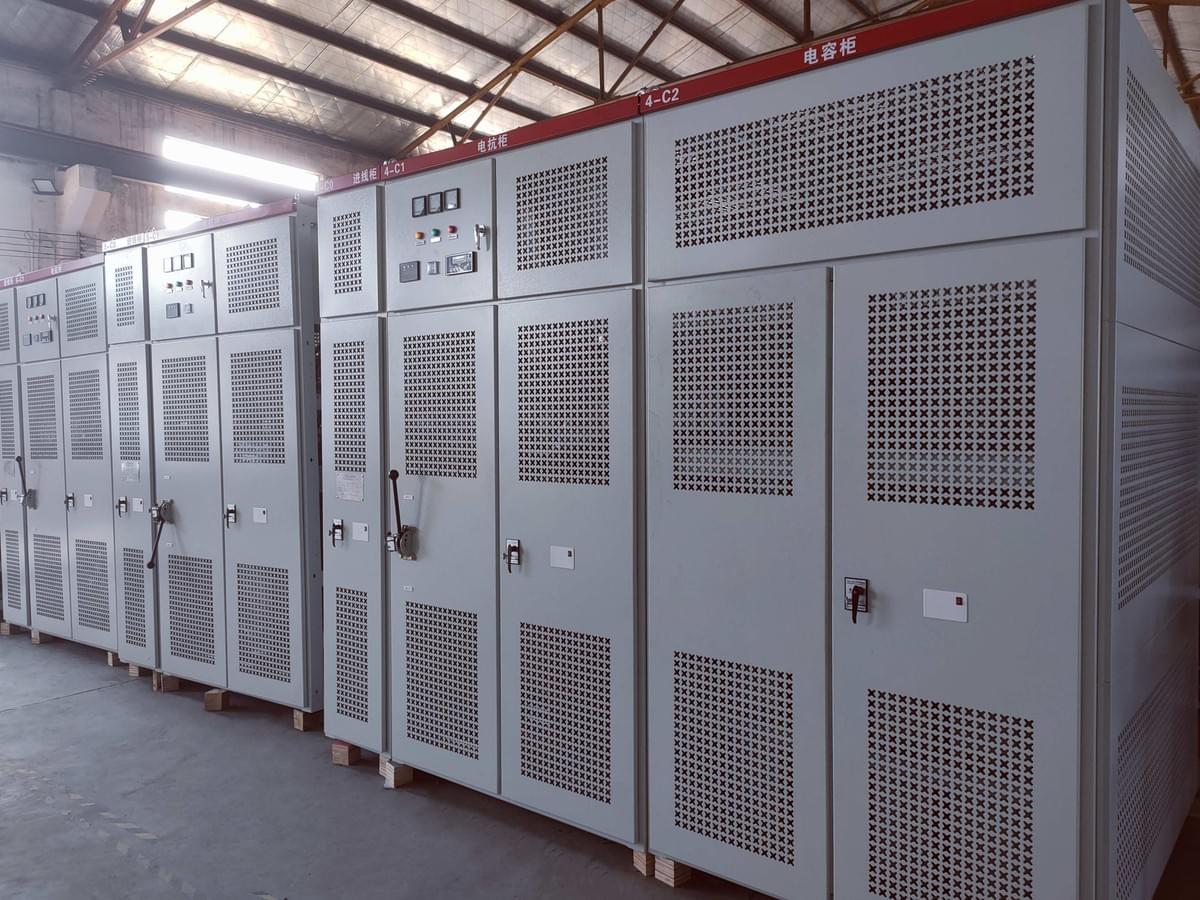
Power factor correction

The loss problem of distribution networks has a long history. Multiple factors such as line impedance, load fluctuation and low power factor have jointly led to the aggravation of active and reactive losses. Among them, the reduction of power factor is a key inducement for the amplification of losses. The large number of inductive loads will make the grid's demand for reactive power surge, which in turn increases the effective value of current, and the line voltage loss and power loss also increase accordingly. This problem is particularly prominent in low-voltage distribution networks.

The core value of reactive power compensation technology lies in effectively correcting the power factor by reasonably configuring compensation devices to supplement the required reactive power for the grid. From the perspective of technical principles, reactive power compensation is mainly divided into two categories: static reactive power compensation and dynamic reactive power compensation. Static reactive power compensation relies on fixed or switched shunt capacitor banks to provide reactive power, which is suitable for power distribution scenarios with gentle load fluctuations; dynamic reactive power compensation achieves fast reactive power response with the help of thyristor regulation or power electronic converters, and can accurately adapt to power distribution systems with large voltage fluctuations and rapid load changes. Through the flexible application of these two compensation methods, the power flow distribution of reactive power can be effectively optimized, the invalid transmission of reactive power in the grid can be reduced, the loss caused by reactive power flow can be fundamentally reduced, and the power factor of the distribution network can return to a reasonable range.

Diverse Application Modes of Reactive Power Compensation: Adapting to the Complex Needs of Distribution Networks
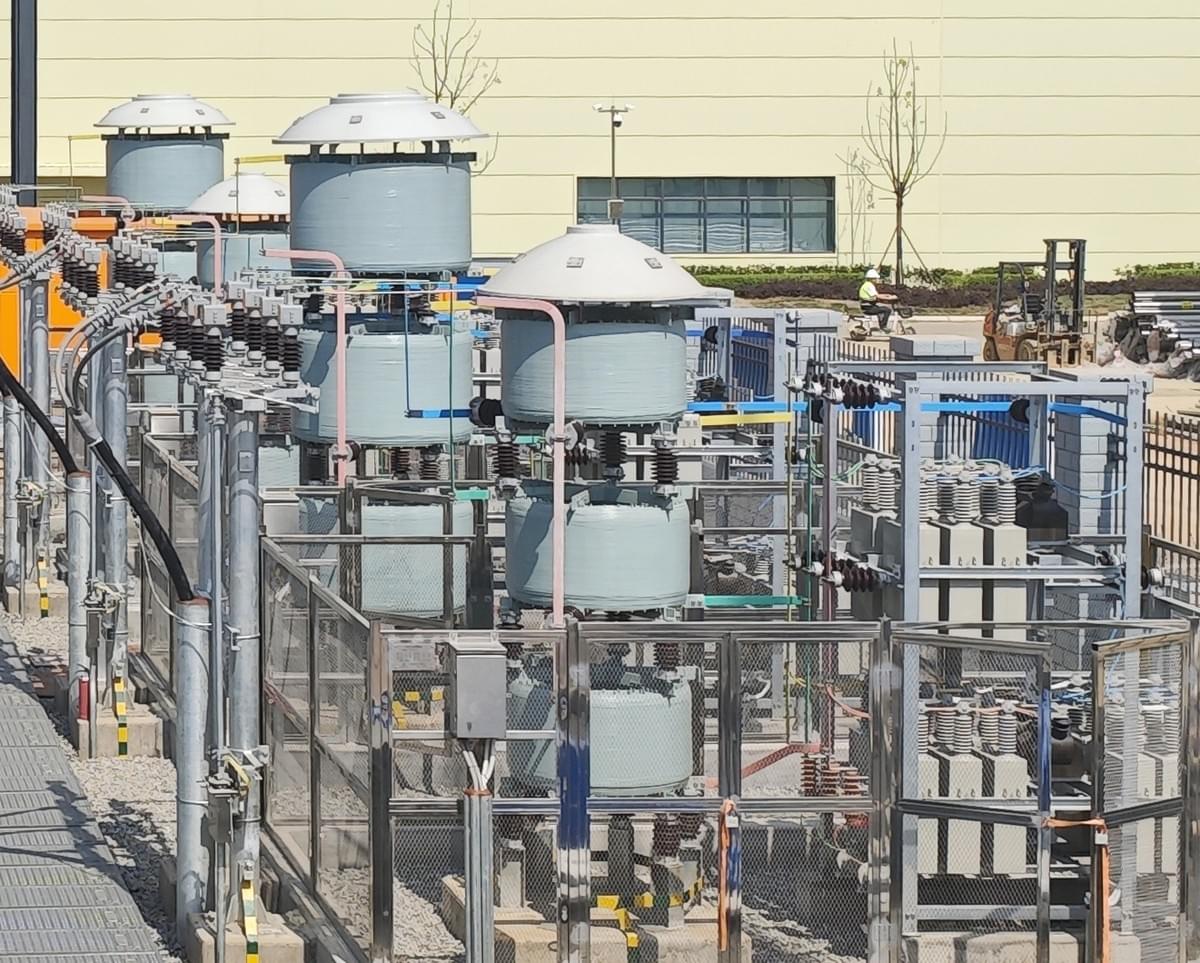
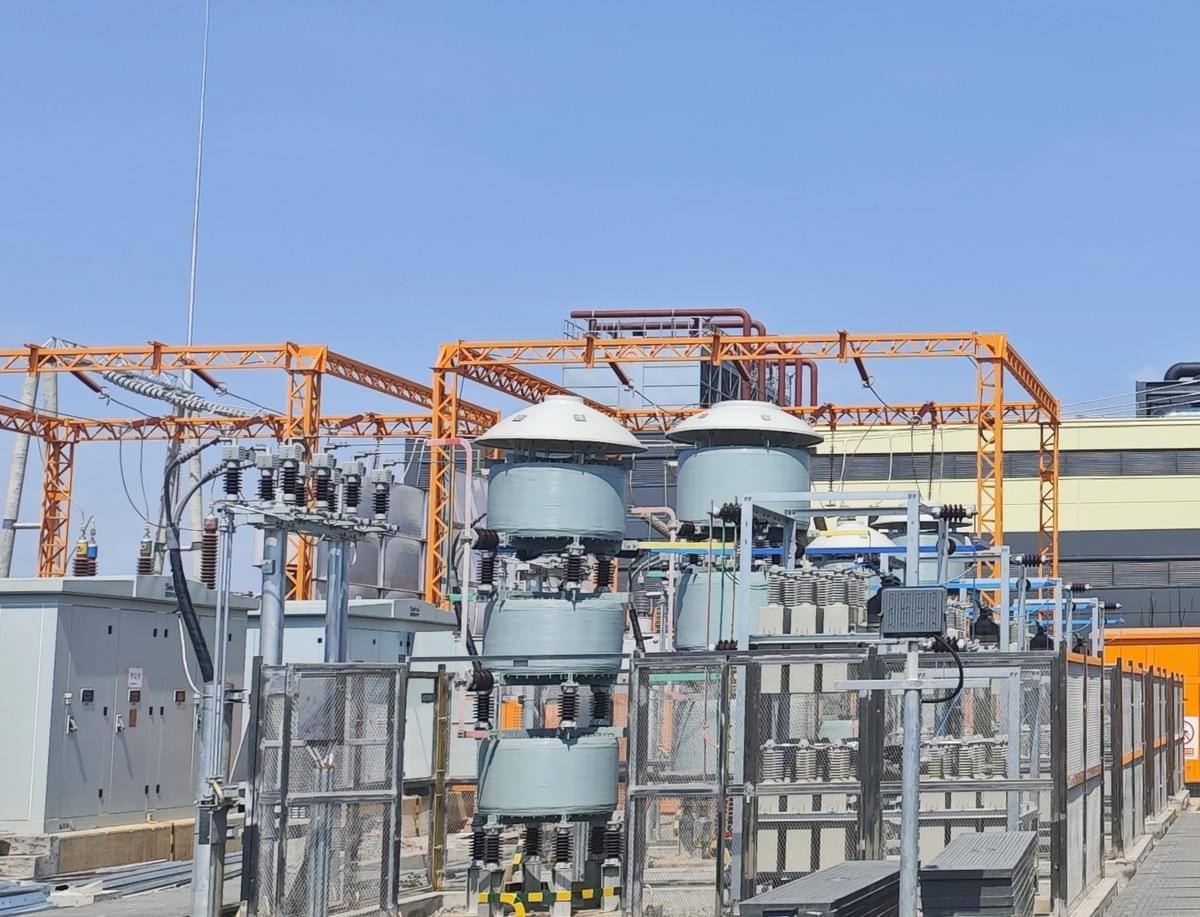
Power factor correction

In the actual operation of distribution networks, the application mode of reactive power compensation is not single and fixed. Instead, it is divided into three compensation modes: centralized, distributed and hybrid according to the grid structure and load characteristics, so as to realize the refined management of reactive power.

Centralized reactive power compensation is mainly deployed on the high-voltage bus side, and meets the large-scale reactive power compensation demand through high-voltage shunt capacitor banks, static var compensators and other equipment, optimizing the reactive power flow from the upper architecture level of the grid; distributed reactive power compensation focuses on the low-voltage side of low-voltage distribution transformers or user terminals, and realizes the correction of local power factor by dispersedly configuring low-voltage shunt capacitor banks and dynamic reactive power compensation devices, reducing the disorderly flow of reactive power in low-voltage lines, making reactive power compensation closer to the load side and achieving the goal of "local balance"; hybrid reactive power compensation combines the advantages of the previous two, and through multi-level reactive power optimization configuration, it takes into account the needs of large-scale compensation and local precise regulation, further improving the response speed and accuracy of reactive power compensation, and fully adapting to the operational characteristics of low-voltage distribution networks with complex load types and strong power volatility.

Reactive Power Compensation: The Practical Path to Reducing Losses in Distribution Networks

Power factor correction

To maximize the effect of reactive power compensation technology in reducing losses of distribution networks, it is necessary to follow scientific implementation principles and strategies, and form a complete technical system from the selection of compensation points and device type selection to scheme formulation.

In the determination of compensation points and compensation capacity, the principle of "local balance and hierarchical compensation" must be strictly followed, and reactive power compensation devices should be reasonably arranged at different levels such as substations, lines, distribution transformers and user terminals to minimize the transmission distance of reactive power. At the same time, combined with the load characteristics and dynamic changes of the actual operation of the grid, the reactive power demand is calculated through professional methods to ensure that the compensation capacity can achieve the dynamic balance of reactive power and continuously optimize the power factor.

The selection and installation of compensation devices should adhere to the standards of "high efficiency, reliability and intelligence". According to the actual situation such as load fluctuation, harmonic distortion and voltage deviation, fixed and dynamic reactive power compensation devices are matched to realize the coordination of static optimization and dynamic regulation. During installation, a combination of centralized compensation and distributed compensation is adopted. Large-capacity centralized compensation equipment is set up in substations, and small-capacity distributed compensation devices are configured near the end of lines or important loads, so that reactive power compensation covers all key nodes of the distribution network.

In addition, the formulation of reactive power compensation schemes needs to combine factors such as grid topology and power quality evaluation results, configure compensation devices hierarchically and zonally, and integrate intelligent means such as SCADA and grid dispatching automation systems to realize the dynamic optimal allocation of reactive power. Through the implementation strategy of phased commissioning and pilot first, the switching strategy and compensation capacity are continuously optimized, making reactive power compensation technology a core starting point for reducing distribution network losses and improving operational efficiency.

Reactive Power Compensation: The Future Direction of Empowering the Carbon Neutrality of the Power Industry

Static Var Generator

Driven by the carbon neutrality goal, the green transformation of the power industry has become an inevitable trend, and the loss reduction and efficiency improvement of distribution networks is an important part of realizing the low-carbonization of the power system. Reactive power compensation technology can not only directly reduce power losses and carbon emissions in the power production process, but also optimize the utilization efficiency of energy resources by improving the operational efficiency of the grid, creating good conditions for the large-scale access of distributed power sources. The increase in the permeability of distributed power sources often brings about the problem of reactive power fluctuation, and precise reactive power compensation can effectively suppress this fluctuation, ensure the stable operation of the grid, and further promote the consumption of renewable energy.

In the future, reactive power compensation technology will develop towards precision, dynamism and intelligence, relying on advanced power electronic equipment, artificial intelligence optimization algorithms and intelligent dispatching systems to realize real-time and precise regulation of reactive power. The continuous upgrading of this technology will not only further reduce the loss level of distribution networks, but also help the power industry achieve new breakthroughs in power factor correction and efficient energy utilization, lay a solid technical foundation for the achievement of the "dual carbon" goals, and promote the modern distribution network to move towards a high-quality development stage of green, efficient and intelligent.

Power factor correction products
pacitor Winding Workshop/Self-healing Low-voltage Power Capacitor
Reactor impregnation workshop
Modern factory

At Hengrong Electrical, we understand that every detail in power control matters. From advanced product design to innovative filtering solutions, we are committed to delivering reliable, efficient, and future-ready technologies. By choosing Hengrong, you gain more than just products — you gain a trusted partner dedicated to helping your business achieve smarter, safer, and greener operations.

www.hengrong-electric.com

Previous
Reactive Power Compensation Solves Electrical System...
Next
AHF Core Control Strategy: An Innovative Solution to...
 Return to site
Cookie Use
We use cookies to improve browsing experience, security, and data collection. By accepting, you agree to the use of cookies for advertising and analytics. You can change your cookie settings at any time. Learn More
Accept all
Settings
Decline All
Cookie Settings
Necessary Cookies
These cookies enable core functionality such as security, network management, and accessibility. These cookies can’t be switched off.
Analytics Cookies
These cookies help us better understand how visitors interact with our website and help us discover errors.
Preferences Cookies
These cookies allow the website to remember choices you've made to provide enhanced functionality and personalization.
Save