

In the stable operation of high-voltage power grid systems, reactor equipment has always played a core role. As a key component of high-voltage shunt capacitor compensation devices, dry-type air-core series reactors, with advantages such as oil-free operation, high mechanical strength, and easy maintenance, have become the backbone of reactive power compensation and power factor correction in power grids. They also play an irreplaceable role in advancing the carbon neutrality process in the energy industry. Today, we will delve into the technical highlights and environmental value of this high-capacity dry-type air-core series reactor designed for 500kV substations.
## Core Mission of Reactors: Safeguarding Grid Stability and Optimizing Power Factor
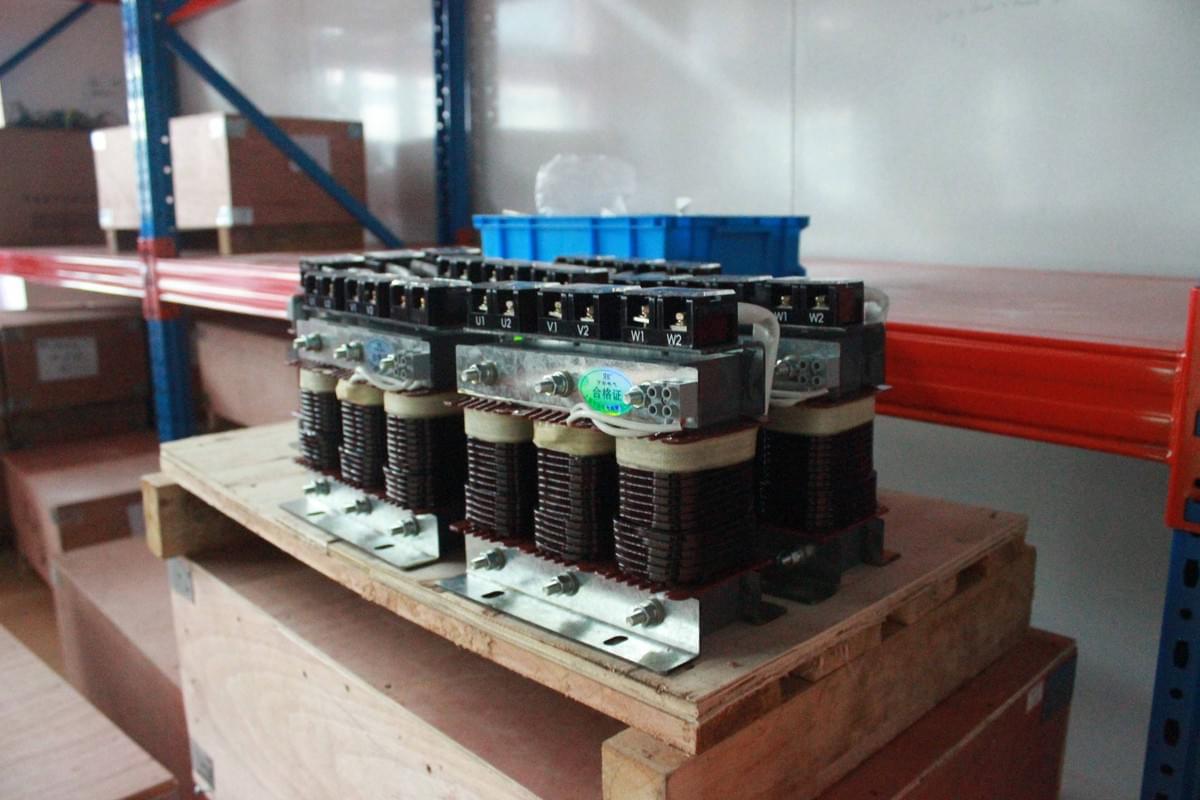
In power systems, the presence of reactive power leads to reduced power factor, which not only causes energy waste but also increases grid losses and affects power supply quality. Working in tandem with shunt capacitor banks, dry-type air-core series reactors achieve efficient power factor correction by precisely suppressing switching inrush currents and mitigating the harm of harmonics to capacitor banks. During this process, the constant inductance value of the reactor ensures stable compensation performance, maintaining the power grid's power factor at an optimal level, reducing ineffective energy consumption, and laying the foundation for the efficient utilization of electrical resources.
For high-voltage scenarios such as 500kV substations, the significance of high-capacity dry-type air-core series reactors is particularly prominent. Fluctuations in grid load can cause reactive power imbalance, but reactors, with their strong reactive power regulation capabilities, quickly respond to load changes, balance grid voltage, and prevent equipment failures or power outages caused by voltage instability. Meanwhile, by optimizing the power factor, reactors effectively reduce transmission line losses and improve grid transmission efficiency—key steps toward energy conservation and carbon neutrality. Every reduction in power loss translates to less fossil energy consumption and carbon emissions.
## Technological Breakthroughs in Reactors: Overcoming Design Challenges, Balancing Performance and Environmental Friendliness
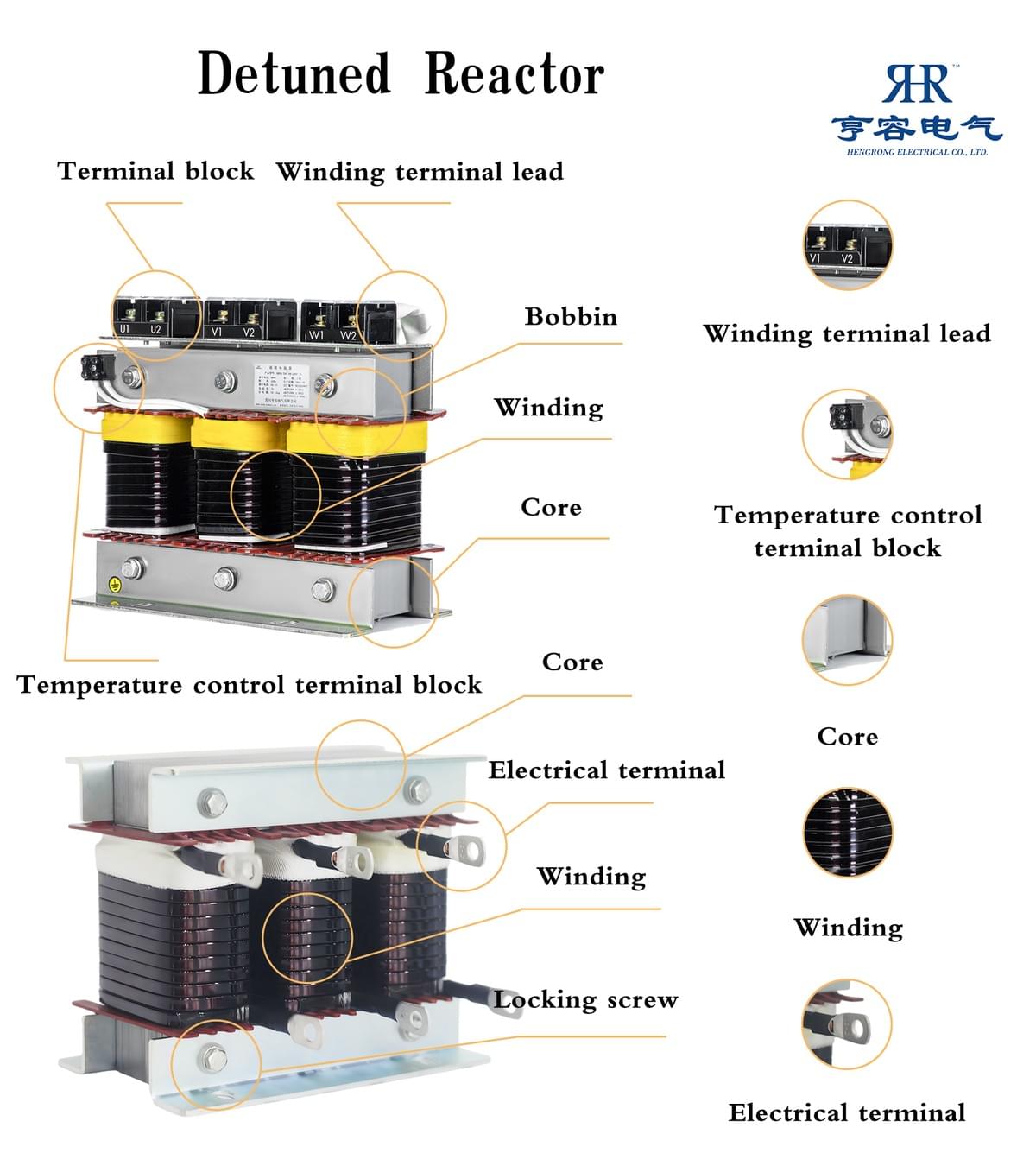
The development of high-capacity dry-type air-core series reactors requires addressing multiple technical challenges posed by high voltage and large current. Each technological breakthrough centers on the core goals of "enhancing performance, reducing losses, and promoting environmental sustainability." In terms of insulation design, the reactor adopts a combined insulation structure of polyimide film and epoxy resin adhesive, which not only meets the insulation strength requirements of high voltage levels but also extends the equipment's service life through excellent anti-aging performance. This reduces the frequency of equipment replacement and lowers the full-lifecycle environmental impact.
Temperature rise control is a core issue in reactor design, as high temperatures accelerate insulation aging and affect operational reliability. We optimized the coil design using the "isothermal rise method," combined with appropriate conductor specifications and parallel winding configurations, effectively reducing coil resistance losses and eddy current losses. Additionally, a unique encapsulation structure and ventilation duct design were adopted to enhance natural heat dissipation, ensuring the reactor maintains a safe temperature rise during long-term operation. Reduced losses directly translate to energy savings, while the efficient heat dissipation design eliminates the need for additional cooling equipment, further embodying green design principles.
The design of busbars also demonstrates technical ingenuity. The reactor uses aluminum alloy busbars with an equipotential symmetric structure, reducing circulating current losses through optimized structural layout while ensuring sufficient current-carrying capacity and mechanical strength. The selection of non-magnetic stainless steel bolts and the use of epoxy glass fiber for fastening not only improve the reactor's operational stability but also align with carbon neutrality goals through environmentally friendly material choices and energy-efficient structural design. Every detail, from material selection to structural optimization, contributes to reducing environmental footprint.
## Process Innovation in Reactors: Vacuum Impregnation + Thermal Polymerization, Building a Solid Foundation for Reliability
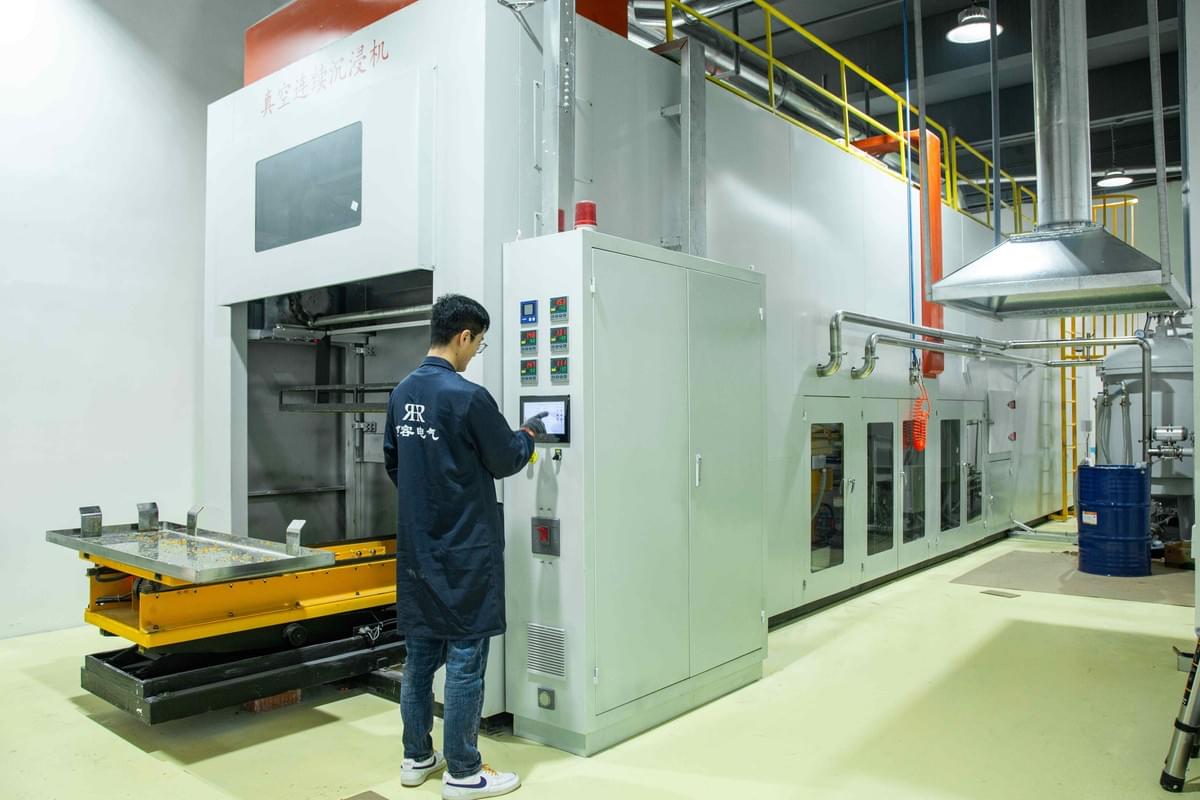
Craftsmanship is crucial to ensuring reactor performance. To meet the harsh conditions of outdoor operation, we adopted a vacuum impregnation process combined with a two-step thermal polymerization curing process, achieving a qualitative leap in the reactor's insulation performance. During vacuum impregnation, glass fiber filaments are fully impregnated with epoxy resin, completely removing internal air and moisture and avoiding the formation of bubbles in the insulation layer. The two-step curing process ensures the uniformity and density of the insulation across multiple encapsulations, significantly increasing the reactor's partial discharge inception voltage and effectively preventing insulation bulging and aging.
Reliable processes not only extend the reactor's service life but also reduce energy consumption and waste generation during operation and maintenance. For power grids, the high reliability of equipment means fewer power outages for maintenance, ensuring the continuity of power supply. For the environment, long-life, low-failure reactors reduce carbon emissions during manufacturing, transportation, and replacement, serving as an important technical support for the power industry's transition to carbon neutrality. Furthermore, the reactor's oil-free design fundamentally eliminates the risk of oil pollution associated with oil-immersed equipment, enabling environmentally friendly operation.
## Future Outlook of Reactors: Supporting New-Generation Power Grids and Accelerating Carbon Neutrality
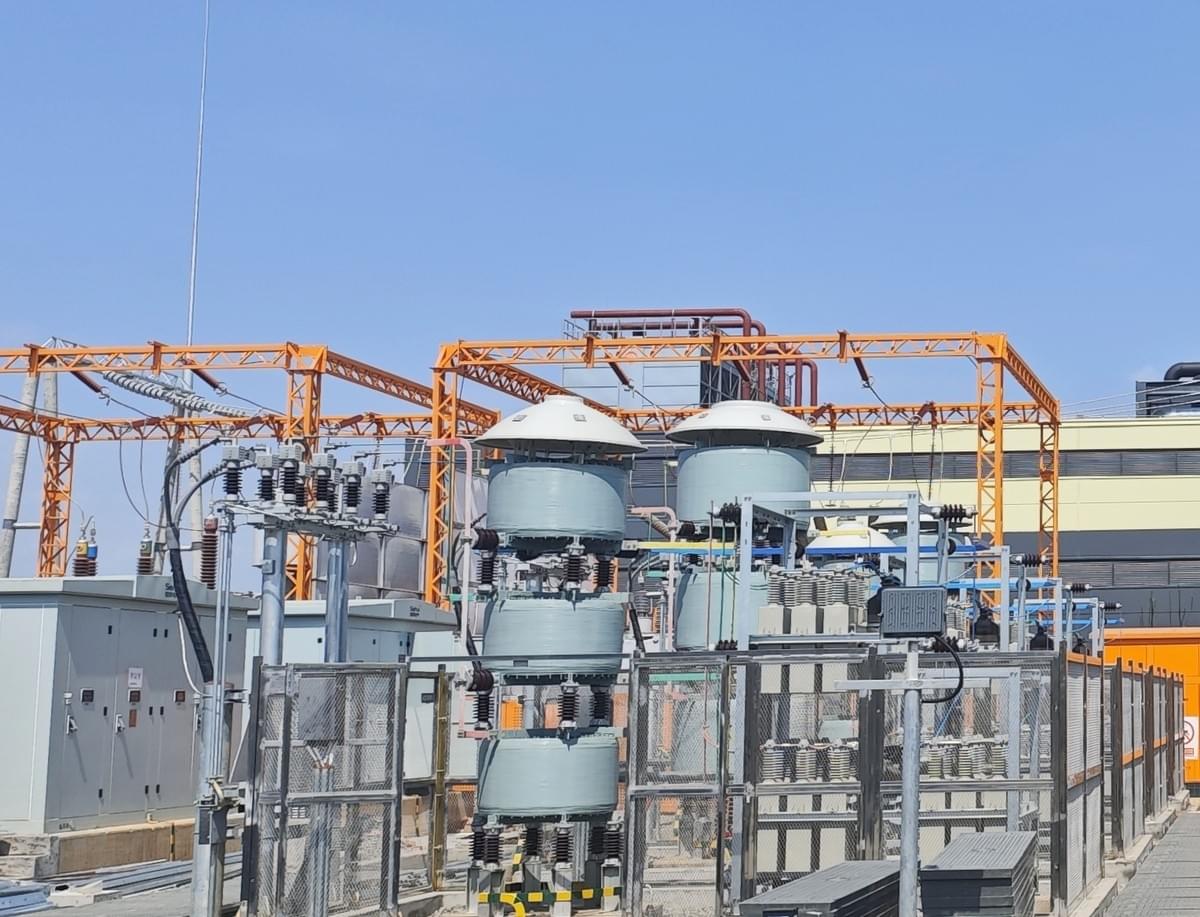
With the rapid development of new energy power generation, a large number of intermittent power sources such as wind and solar power have been integrated into the grid, placing higher demands on the grid's reactive power regulation capabilities and stability. As a core device for reactive power compensation, high-capacity dry-type air-core series reactors will play an even more critical role in new-type power systems. Through precise power factor correction, they ensure the efficient grid connection and absorption of new energy power, reducing curtailment of wind and solar energy and maximizing the value of clean energy.
The achievement of carbon neutrality goals is inseparable from the green transformation of power systems, and reactor equipment is an "invisible cornerstone" of this transformation. From reducing grid losses and improving energy efficiency to supporting new energy integration and optimizing the energy structure, every function of reactors is closely linked to carbon neutrality. In the future, we will continue to deepen reactor technology, further reducing reactor losses and improving operational efficiency through material innovation, structural optimization, and process upgrades. We will launch products with greater environmental value, contributing more to the green development of power grids and the global carbon neutrality cause.
Dry-type air-core series reactors, though seemingly small components in power grids, shoulder the great mission of ensuring grid stability, optimizing energy utilization, and facilitating carbon neutrality. In high-voltage scenarios such as 500kV substations, they safeguard the safe and efficient transmission of electricity with outstanding performance. In the process of power factor correction, they achieve energy savings through precise regulation. In the journey toward carbon neutrality, they embody the concept of sustainable development through green and environmentally friendly design. In the future, we will continue to drive technological innovation, enabling reactors to unleash greater potential and safeguarding the construction of a clean, low-carbon, safe, and efficient energy system


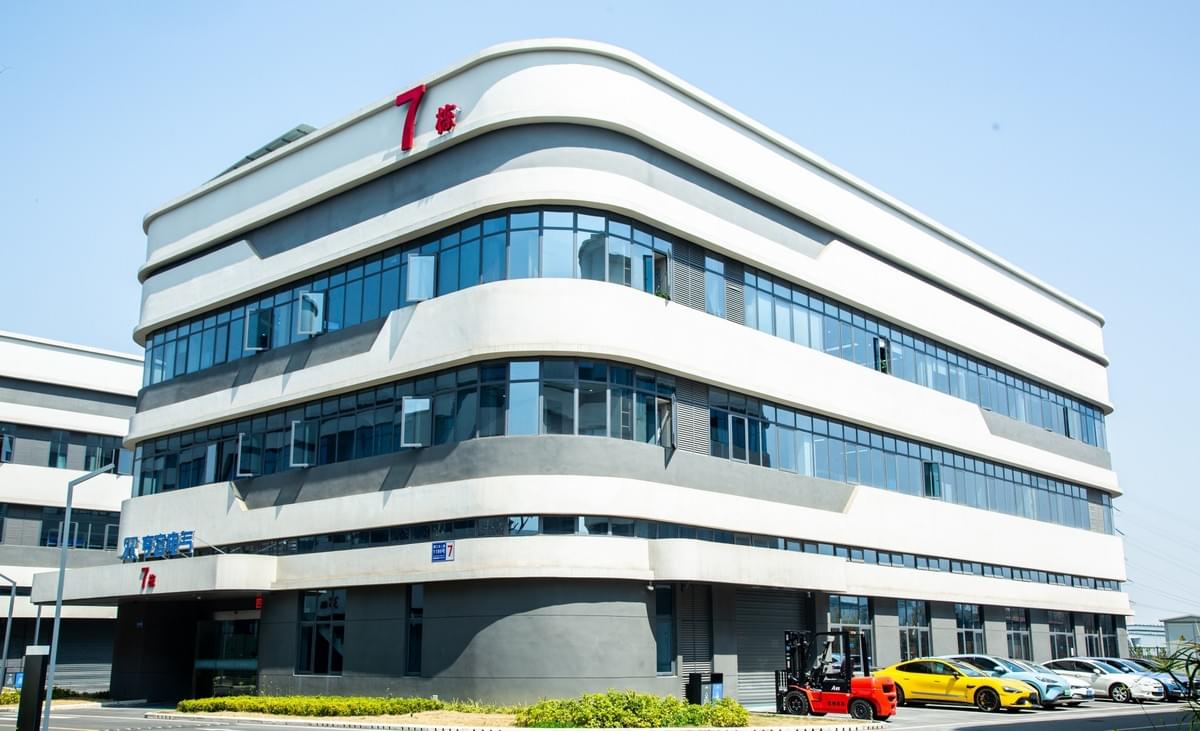
At HengRong Electrical, we understand that every detail in power control matters. From advanced product design to innovative filtering solutions, we are committed to delivering reliable, efficient, and future-ready technologies. By choosing Hengrong, you gain more than just products — you gain a trusted partner dedicated to helping your business achieve smarter, safer, and greener operations.
www.hengrong-electric.com